01
Model the system
Map the product workflow, failure points, data ownership, and operational constraints before writing abstractions.
Waqar Ilyas
Senior software engineer focused on full stack product delivery, backend architecture, cloud systems, and high-trust workflows for fintech, healthcare, collaboration, and Web3 products.
Also known professionally as Muhammad Waqar Ilyas and Muhammad Waqar.
Product
messy requirements
Backend
state machines
Core path
API + data + UX
Ops
logs, alerts, support
Outcome
reliable delivery
8+ years
building production software across web, mobile, cloud, fintech, healthcare, and Web3
500K+ users
supported by wallet and fintech platforms I helped architect and scale
40% cost reduction
achieved through serverless architecture, better data access, and cloud discipline
NHS-facing workflows
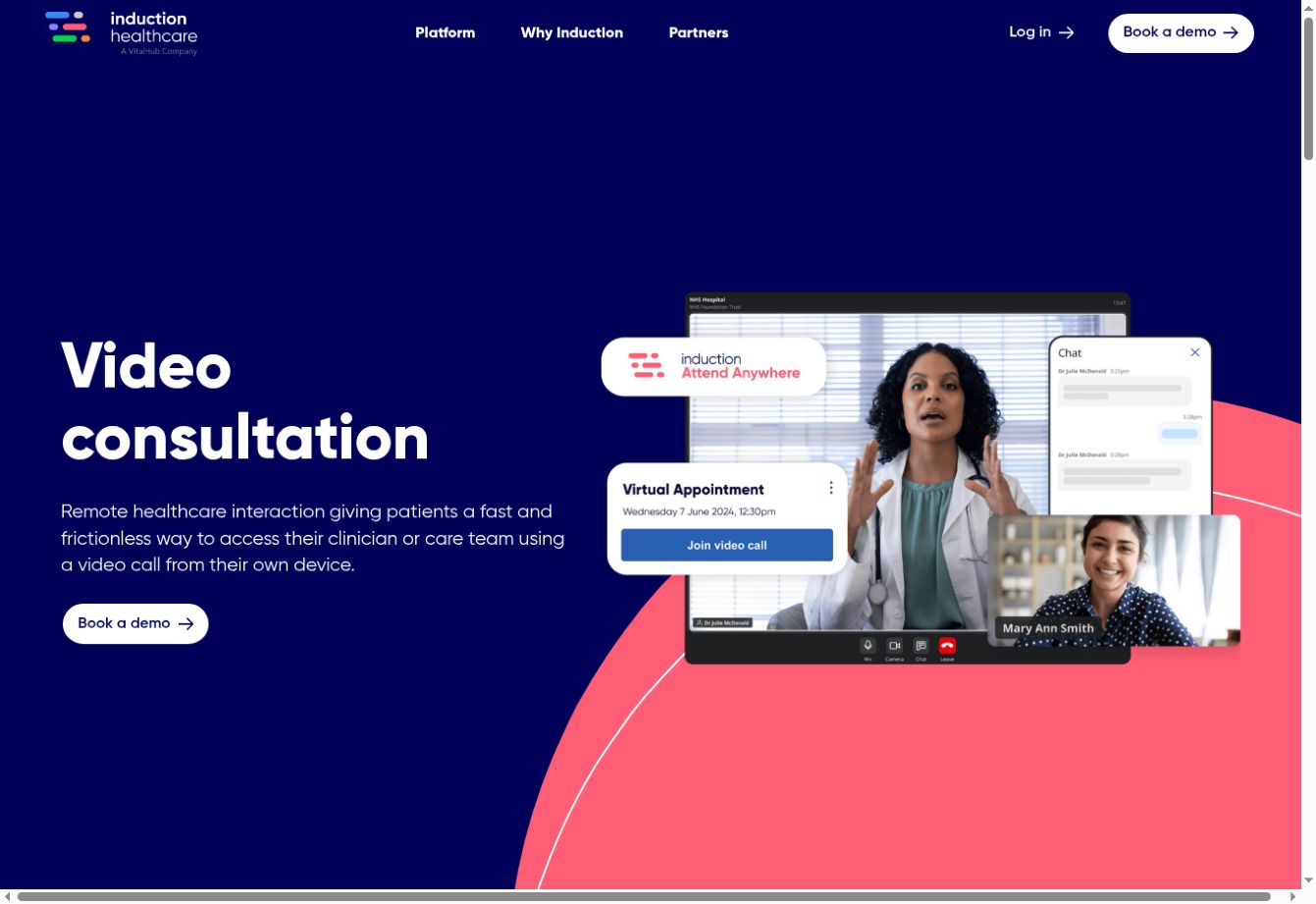
delivered for telehealth video, waiting-room, and consultation experiences
Operating model
The value is not only writing code. It is turning uncertain product work into a system that has clear state, safe failure modes, and a path to production.
01
Map the product workflow, failure points, data ownership, and operational constraints before writing abstractions.
02
Ship the smallest reliable vertical slice: API, data model, UI state, auth, observability, and deployment path.
03
Add idempotency, retries, reconciliation jobs, permission checks, audit logs, and support/debug surfaces.
04
Optimize cost, performance, and team workflows only after the product path and usage patterns are clear.
Business-critical domains
Fintech
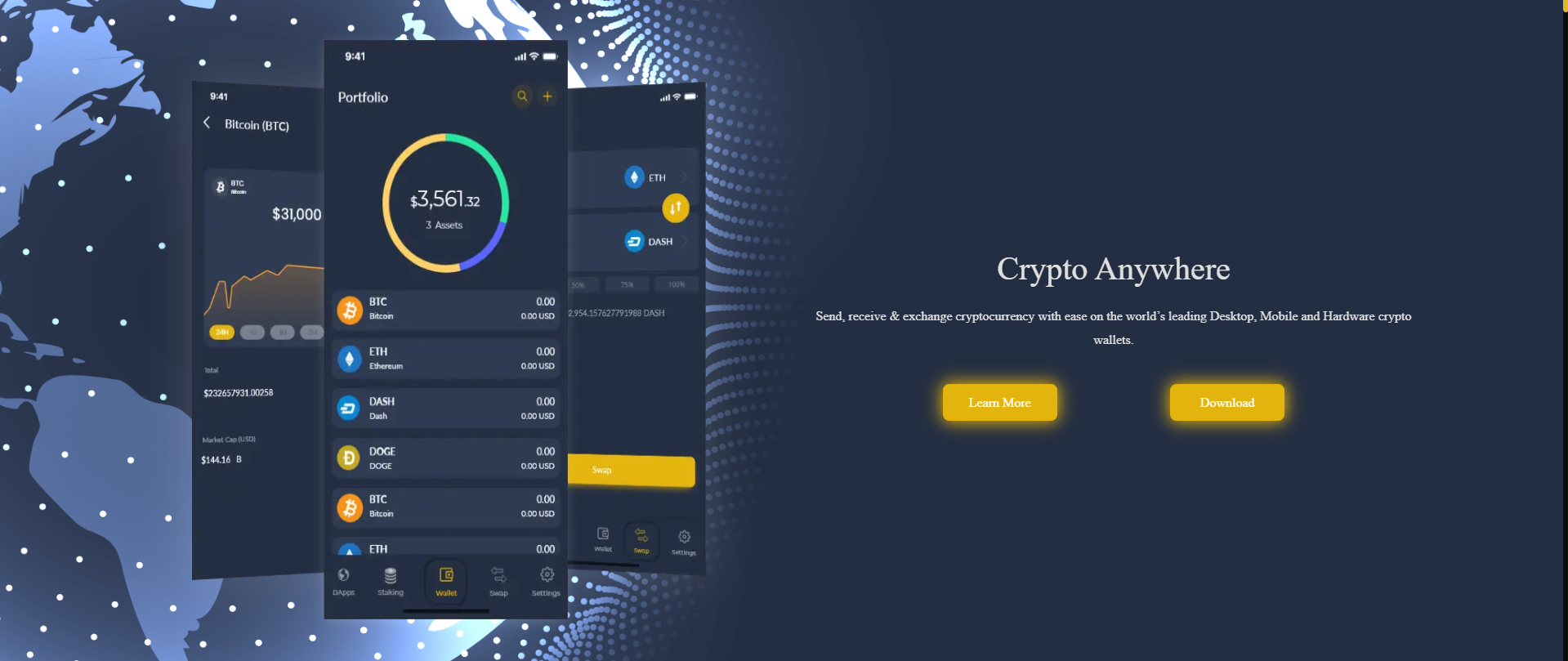
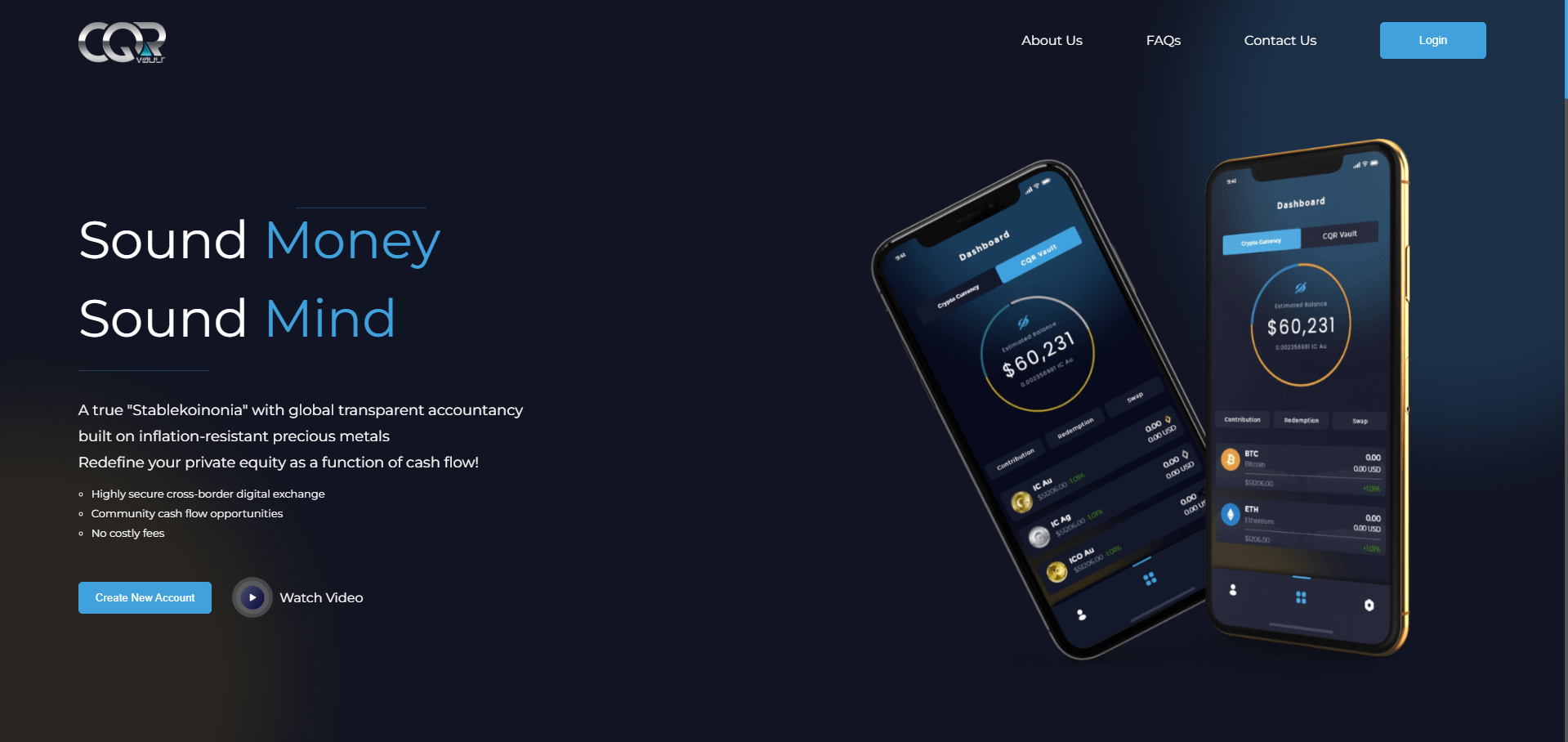
Wallets, transactions, ledger-style records, real-time updates, reconciliation, and support workflows where vague state creates user anxiety.
Healthcare
Video consultations, waiting rooms, role-based access, support tooling, and privacy-minded systems where failure needs a clear recovery path.
Collaboration
Visual canvases, flexible databases, realtime sync, custom editors, permissions, and UI state that must stay fast as complexity grows.
Web3
Smart contracts, Bitcoin Ordinals, NFT infrastructure, wallet integrations, and transaction flows designed around actual user journeys.
Risk removed
The difference between a demo and a production system is usually hidden in the edges: retries, permissions, migrations, observability, and recovery paths.
Explicit transaction and workflow states instead of vague loading screens
Idempotent event handling for webhooks, queues, retries, and realtime updates
Permission checks on mutations and subscriptions, not just hidden UI buttons
Operational visibility through structured logs, dashboards, and support tooling
Data models that explain why state changed, not only what state currently is
Release paths that account for migration, rollback, and user-facing failure
Founder feedback
Client trust from long-running product work, technical delivery, and architecture consultation.
"I worked with Waqar for over a year, and he was an absolute pleasure to work with and an invaluable asset to the project. Besides doing the actual coding and technical development, he provided consultation on related technical services and played an active role in pushing the project forward. Extremely trustworthy and highly recommended. I will definitely work with him again as more projects come up."
Benjamin Rutta
Founder, RadishGroup LLC
Healthcare founder and radiologist
Technical range
The stack changes by product, but the operating model stays consistent: clear interfaces, maintainable code, observable systems, and pragmatic architecture.
Frontend
React, Next.js, Astro, React Native, TypeScript, TanStack, Tiptap
Backend
Node.js, NestJS, Express, REST, GraphQL, Socket.io, queues
Data
PostgreSQL, MongoDB, Redis, DynamoDB, Supabase, relational modeling
Cloud
AWS Lambda, S3, Chime SDK, CI/CD, serverless cost optimization
Web3
Smart contracts, Web3.js, Ethers.js, Bitcoin Ordinals, wallet flows
Selected work
I prefer portfolio work that shows the problem, role, architecture, tradeoffs, and impact. These are the strongest signals for serious engineering evaluation.
Technical writing
The blog is now focused on real engineering problems: wallet ledgers, realtime event recovery, AWS cost controls, telehealth video workflows, and visual collaboration architecture.
Collaboration
Full-time roles, long-term contracts, architecture reviews, and focused product builds. The first conversation should be about the problem and the constraints, not a pitch.