OrdiGotchis
A historical Bitcoin Ordinals gaming platform combining WebGL gameplay, modular collectible characters, rarity mechanics, rewards, and blockchain ownership.
- Engagement
- Zogi Labs
- Role
- Full-stack development and blockchain infrastructure
- Contribution boundary
- Public evidence establishes the project identity; Waqar reports contributing across the web application, backend, data layer, WebGL integration, blockchain connectivity, and Ordinals infrastructure as part of the Zogi Labs team, not as sole author of the engine or smart contracts.
The product
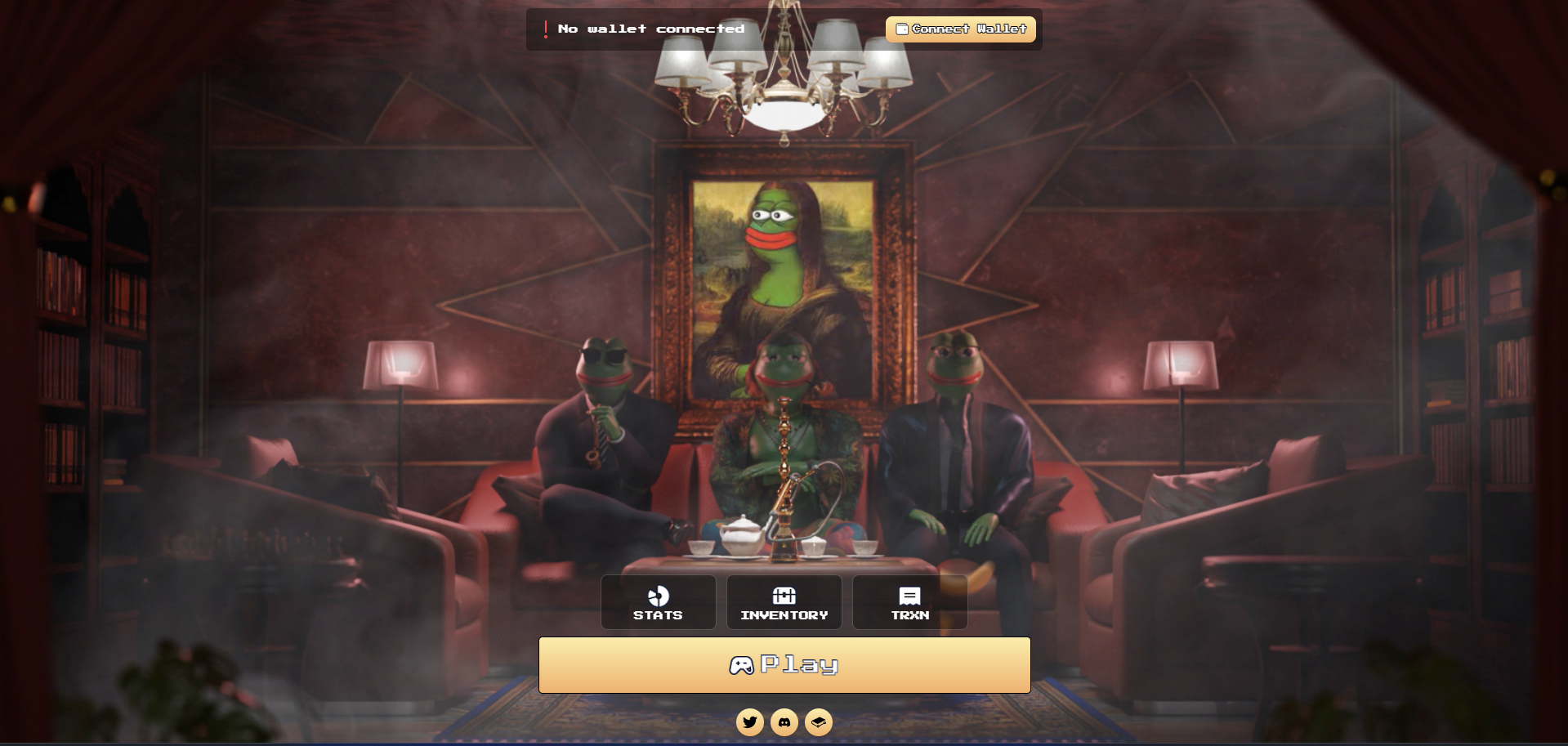
OrdiGotchis is a Bitcoin Ordinals gaming platform that connects browser-based gameplay with collectible characters, modular traits, and rarity-based mechanics. It brings together an interactive game experience and digital collectibles that players can own and trade.
I worked on OrdiGotchis as part of the Zogi Labs team. My work covered the web application, backend services, database integration, blockchain connectivity, and infrastructure. I worked with Next.js, NestJS, Supabase, and PostgreSQL, contributed to the integration of WebGL gameplay with the platform, and set up the Bitcoin Ordinals server on AWS.
OrdiGotchis is represented here as a historical project because the available public record does not fully resolve every individual implementation boundary or the underlying repository.
Purpose
OrdiGotchis was designed to make digital collectibles part of an interactive gaming experience.
The platform connected collectible characters with gameplay progression, rewards, and different trait combinations. Characters had a role within the game while also participating in a Bitcoin-based collectible ecosystem.
The product brought together three main elements:
- Browser-based gameplay where players could interact with characters and progression mechanics.
- Modular collectibles with different component and rarity combinations.
- Bitcoin Ordinals infrastructure supporting the collectible and ownership layer.
Related Zogi Labs work
While working with Zogi Labs, I also contributed to the related Bezogia referrals application. It is included here as related work rather than as a separate portfolio project because it was connected to the same broader product ecosystem.
Web application
I worked on the web application using Next.js and React, building the application layer around the gameplay and collectible experience.
This layer connected the user-facing interface with backend services and blockchain-related functionality. It brought the different parts of the platform together, including the game experience, collectible information, and supporting application flows.
The work involved coordinating information between the frontend, backend, and Ordinals infrastructure so the product functioned as a connected application.
WebGL gameplay integration
OrdiGotchis used WebGL for its browser-based game experience.
I contributed to integrating the gameplay experience with the surrounding web platform. This involved connecting the interactive game layer with application functionality and the collectible ecosystem.
The integration brought together two distinct parts of the product: the game running in the browser and the web application supporting its data and blockchain interactions.
Modular characters and collectible traits
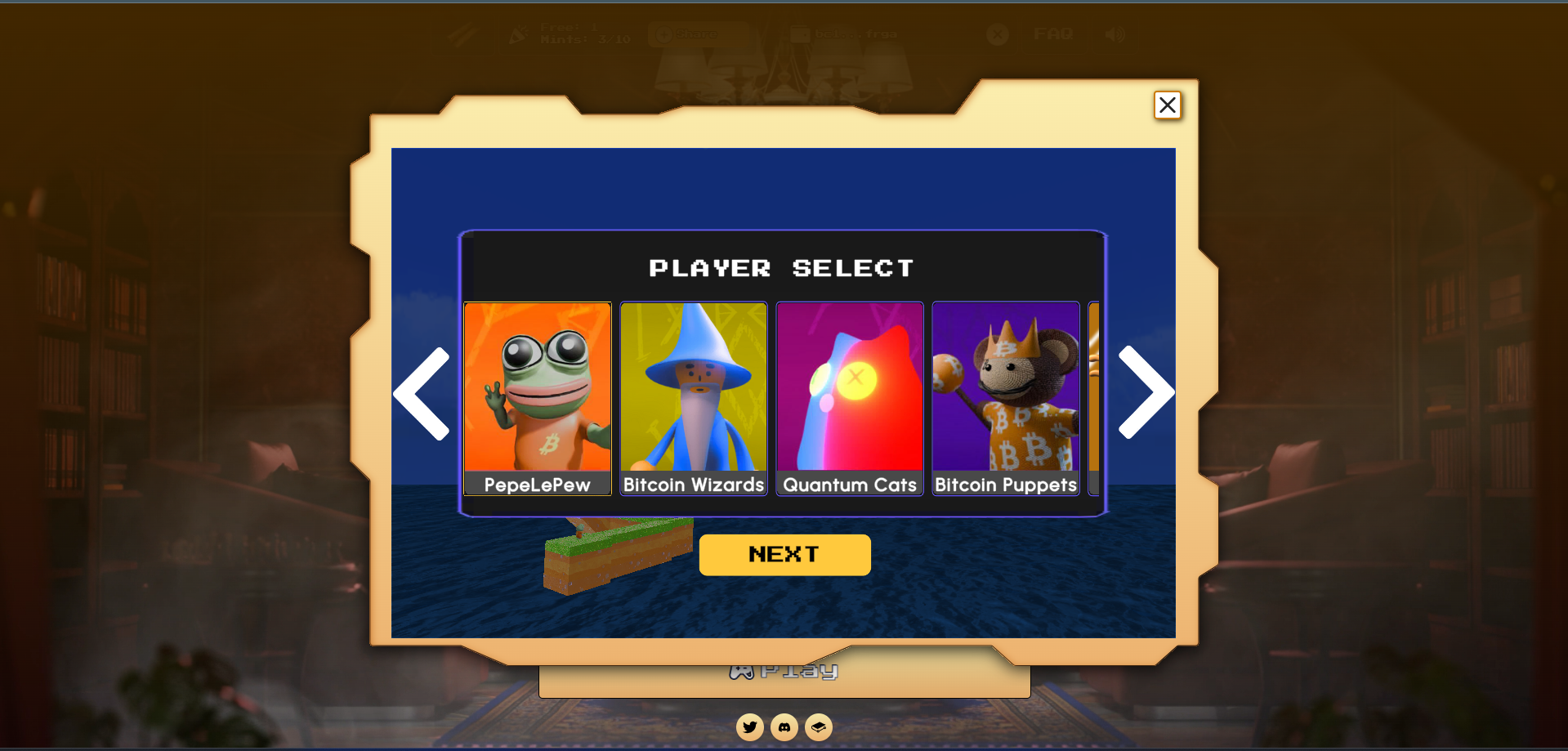
The project featured modular characters with different combinations of components and traits.
These combinations gave collectibles distinct appearances and rarity characteristics. Character composition formed part of both the game’s visual experience and its collectible mechanics.
The product included:
- Modular character composition.
- Multiple trait combinations.
- Rarity differences between collectibles.
- Connections between characters and gameplay progression.
- Digital ownership and trading of collectibles.
Bitcoin Ordinals and recursive composition
Bitcoin Ordinals formed the foundation of the project’s collectible layer.
The platform connected the game experience with Bitcoin-based digital assets, allowing characters and their associated collectible functionality to extend beyond the gameplay interface.
Recursive Ordinals supported the project’s approach to modular collectible composition. This connected the character-component model with the underlying Ordinals implementation.
My work included the application and infrastructure integration supporting this blockchain-connected experience.
Backend development
I used NestJS to develop backend services supporting the platform.
The backend provided the application logic and APIs connecting the Next.js frontend with stored data and blockchain-related functionality. It served as the coordination layer between the user-facing application and the systems supporting the collectible experience.
This work covered backend development and integration across the platform’s web, data, and Ordinals components.
Supabase and PostgreSQL
I used Supabase and PostgreSQL as part of the platform’s backend and data stack.
PostgreSQL provided relational data storage for the application, while Supabase formed part of the supporting backend platform. My work included integrating this data layer with the application’s services and frontend flows.
The platform combined conventional application data with blockchain-based collectible information, requiring those sources to work together within the product.
Bitcoin Ordinals server on AWS
I set up the Bitcoin Ordinals server on AWS as part of the project’s blockchain infrastructure.
This work extended beyond application development into the infrastructure needed to support the Ordinals integration. It included configuring and deploying the server environment and connecting it with the wider platform.
Owning this setup gave me hands-on responsibility for a core infrastructure component alongside my frontend and backend work.
Progression, rewards, and rarity
OrdiGotchis connected gameplay progression with its collectible ecosystem.
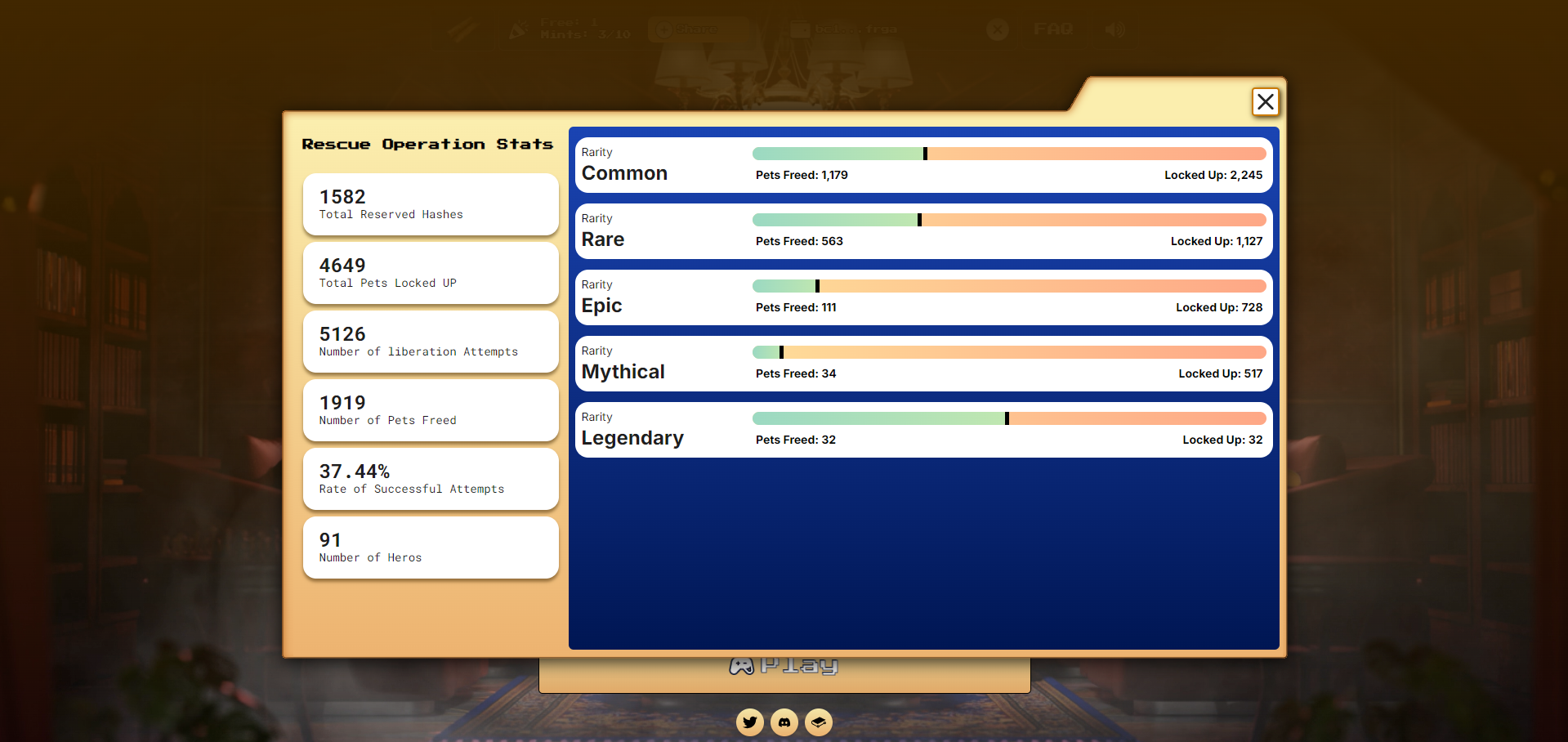
The product included reward and rarity logic, with character combinations contributing to differences between collectibles. These mechanics linked the interactive experience with the assets players could own and trade.
The application brought together gameplay-related information, character composition, and collectible data to support this experience.
Technical architecture
The platform combined a web application, an interactive game layer, backend services, a relational database, and Bitcoin Ordinals infrastructure.
Swipe horizontally to view the full table.
| Layer | Technology | Purpose |
|---|---|---|
| Web application | Next.js, React | User-facing application and integration of the platform’s features. |
| Gameplay | WebGL | Browser-based interactive game experience. |
| Backend services | NestJS, Node.js | Application logic, APIs, and integration between platform components. |
| Backend platform | Supabase | Supporting backend and data integration. |
| Database | PostgreSQL | Relational storage for application data. |
| Digital collectibles | Bitcoin Ordinals | Bitcoin-based collectible and ownership functionality. |
| Collectible composition | Recursive Ordinals | Modular composition of collectible characters. |
| Blockchain infrastructure | Bitcoin Ordinals Server | Server infrastructure supporting the Ordinals integration. |
| Cloud infrastructure | AWS | Hosting and deployment of the Bitcoin Ordinals server. |
My responsibilities
- Developed web application functionality using Next.js and React.
- Built backend services and APIs using NestJS.
- Integrated Supabase and PostgreSQL into the application stack.
- Contributed to connecting WebGL gameplay with the surrounding platform.
- Worked on the integration of collectible functionality and Bitcoin-based ownership.
- Supported the application’s interaction with modular characters and recursive Ordinals.
- Set up and deployed the Bitcoin Ordinals server on AWS.
- Connected frontend, backend, database, and blockchain components into a working application.
Key engineering challenges
One of the main challenges was connecting an interactive game with both a conventional application backend and Bitcoin Ordinals infrastructure.
The frontend and gameplay experience needed information from different systems. Backend services and PostgreSQL supported application data, while the Ordinals layer supported blockchain-based collectible functionality. These components needed to work together coherently.
Modular characters introduced additional complexity through different component combinations and rarity rules. The platform needed to represent those concepts consistently across the game and collectible experience.
The infrastructure work added another area of responsibility. Setting up the Ordinals server on AWS meant working directly with the environment supporting the blockchain integration, alongside building the application features that depended on it.
Delivered scope
OrdiGotchis combined a Next.js web application, WebGL gameplay, NestJS backend services, Supabase and PostgreSQL, and Bitcoin Ordinals infrastructure hosted on AWS.
My contribution spanned full-stack development and blockchain infrastructure, connecting the player-facing experience with the backend, data layer, and Ordinals server supporting the platform.
Links and status
The original Gotchi Town site is no longer presented as a live link. An alternate OrdiGotchis deployment and the related Bezogia referrals application are included in the project links above.
These links support the project’s public identity and reported team contribution; they do not independently audit collectible value, ownership, blockchain security, implementation ownership, or production availability.
THE STACK
Built with
A look at the product
Selected screens
Continue exploring
Related work and field notes
Want to talk about a product?
I enjoy working through product constraints, technical decisions, and the details that make a system dependable.
Get in touch