Peplog
An accessible employment and skills-matching platform connecting people with disabilities in Japan to organizations and individuals seeking their skills.
- Engagement
- Pixelpk Technologies
- Role
- Senior software engineer / team lead
- Contribution boundary
- Waqar reports leading development of the Peplog platform from the ground up at Pixelpk Technologies, across frontend functionality, backend services, profiles, avatars, matching, administration, AWS infrastructure, and production delivery.
The product
Peplog is a workforce platform connecting people with disabilities in Japan with organizations and individuals seeking their skills.
The platform combines avatar-based profiles, private eligibility verification, work-matching functionality, and administration tools. Anonymity is central to the experience: users represent themselves through avatars rather than personal photographs, while the operating company handles verification privately.
I led development from the ground up at Pixelpk Technologies as a Senior Software Engineer and Team Lead, working across frontend functionality, backend services, profile and avatar systems, matching workflows, administration, and AWS infrastructure. My responsibilities also included translating client requirements into application behavior and supporting deployment and production delivery.
Purpose
Peplog was designed to help people with disabilities access work opportunities while maintaining control over their public identity.
The product needed to support two requirements together: allowing users to participate anonymously and giving the platform operator a way to verify their eligibility.
The resulting experience separated public profiles from private verification. Users could present their skills through an avatar-based identity, while the operator managed the information needed to verify participation.
Avatar-based profiles
I built profile and avatar functionality that supported the platform’s approach to anonymous participation.
Avatars replaced personal profile photographs, giving users a recognizable identity within the application without requiring them to display their appearance.
The profile experience brought together the information needed for participation and work matching while maintaining the distinction between public-facing details and private verification information.
My work covered avatar creation, profile management, and the interfaces and backend functionality supporting these features.
Private verification
Verification was an important part of the platform’s operating model.
The company managing Peplog could verify users privately while allowing their public participation to remain anonymous. This required separate workflows for user-facing profiles and administrative review.
I worked on the application functionality connecting verification with profile management and administration. The implementation needed to make the appropriate information available to the operator without treating it as public profile content.
Skills and work matching
Peplog connected participating workers with people and organizations seeking their skills.
I developed matching workflows and the supporting frontend and backend functionality. This connected user profiles with the work-opportunity side of the platform.
The focus was on turning the client’s matching requirements into a usable application flow, supported by the data and administrative processes needed to operate it.
Accessibility and usability
The intended audience made accessibility and usability important considerations throughout development.
I worked on making profile, avatar, and matching flows clear and approachable. This included how information was presented, how users moved through the application, and how required actions were communicated.
The goal was to support participation without making the interface itself an unnecessary obstacle.
Administration tools
I built administrative functionality supporting the operation of the platform.
The administration experience covered profile oversight, verification, and matching-related workflows. It connected the public-facing application with the private work performed by the platform operator.
The scope included:
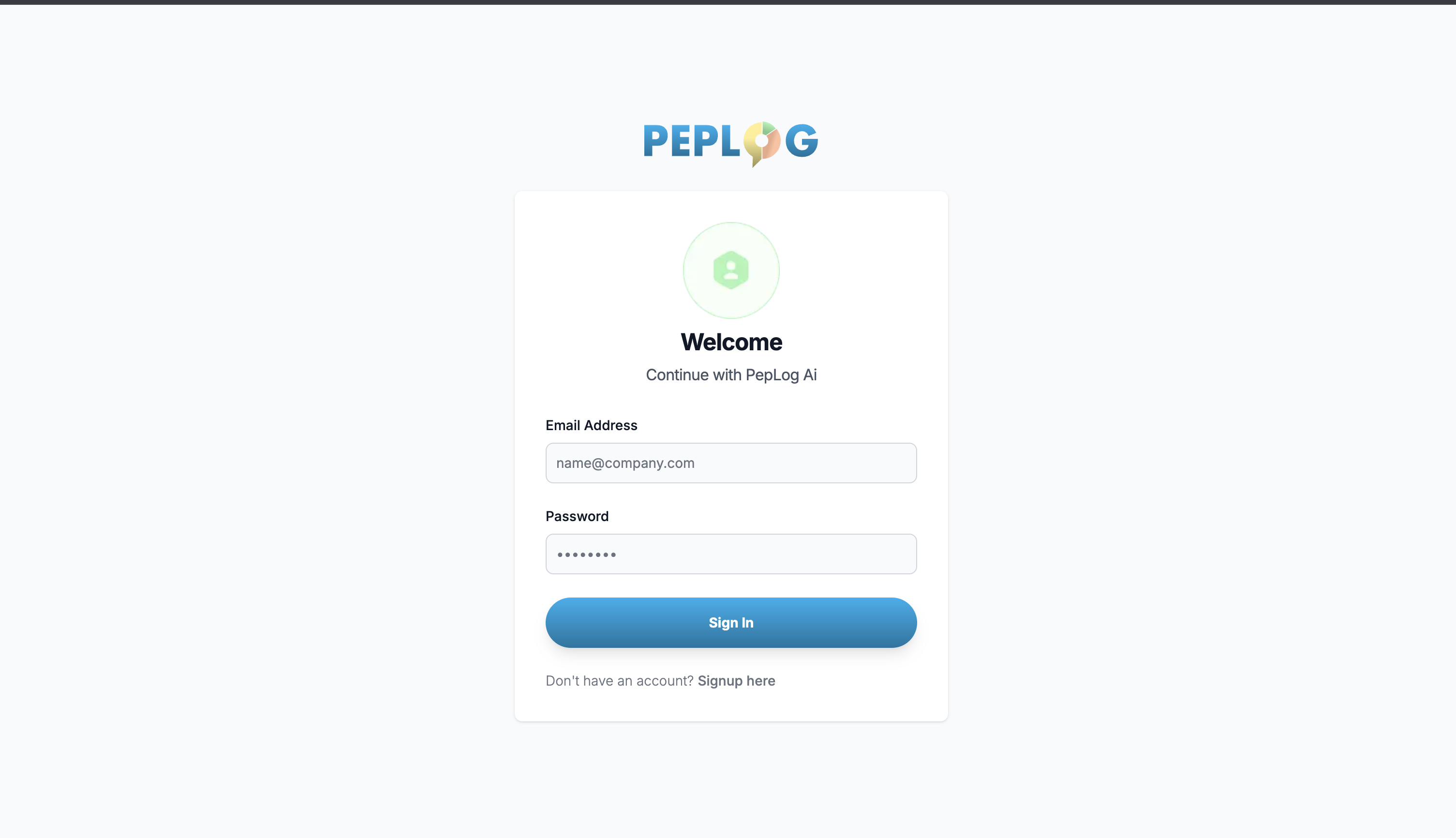
- Administrative access and login.
- User and profile management.
- Verification workflows.
- Avatar-related functionality.
- Oversight of matching processes.
These tools were developed alongside the user-facing features so the platform could support both participation and operational management.
Frontend development
I developed the web interfaces using Next.js, React, and TypeScript.
The frontend work covered profiles, avatar functionality, matching workflows, and administration. TanStack Query supported server-data fetching and request-state management, while Tailwind CSS and Flowbite provided styling and interface components.
My responsibilities included building components, integrating APIs, managing loading and error states, and connecting the screens into complete application flows.
Backend development
I worked on Node.js backend functionality within an AWS serverless architecture.
The backend supported the application’s business logic and connected frontend interactions with stored data and operational workflows. This included the services supporting profiles, verification, matching, and administration.
REST APIs connected the frontend with these backend capabilities.
AWS serverless architecture
The platform used an AWS serverless architecture, with AWS Lambda supporting backend execution.
I worked on the cloud architecture and deployment setup alongside application development. This included structuring supporting services and connecting them with the frontend and data layer.
The Serverless Framework formed part of the infrastructure and deployment tooling.
DynamoDB and Amazon DocumentDB
The data architecture included both DynamoDB and Amazon DocumentDB.
I worked with this data layer as part of the backend implementation, connecting stored application information with the services and interfaces that used it.
The platform’s data requirements spanned profiles, verification, matching, and administration. These areas needed to remain consistent while preserving the distinction between public-facing and private information.
Client collaboration and delivery
I worked with the client to understand the product requirements and translate them into technical implementation.
This involved clarifying how anonymous profiles, verification, and work matching should behave, then carrying those decisions through the interface, backend services, and administrative tools.
My involvement extended through deployment workflows and production delivery, connecting feature development with the infrastructure needed to run the application.
Technology stack
Swipe horizontally to view the full table.
| Technology | Use in the project |
|---|---|
| Next.js | Web application and administration framework. |
| React | Interactive interfaces and reusable components. |
| TypeScript | Typed application development. |
| TanStack Query | Server-data fetching and frontend request-state management. |
| Tailwind CSS | Styling and layout. |
| Flowbite | Interface components. |
| Node.js | Backend application logic. |
| AWS Lambda | Serverless backend execution. |
| DynamoDB | Application data storage within the AWS architecture. |
| Amazon DocumentDB | Document database within the application’s data layer. |
| Serverless Framework | Serverless infrastructure configuration and deployment. |
| REST APIs | Communication between frontend and backend services. |
My responsibilities
- Led development of Peplog from the ground up.
- Developed frontend and backend functionality.
- Built avatar creation and profile-management features.
- Implemented workflows supporting anonymous participation and private verification.
- Developed skills and work-matching functionality.
- Built administration interfaces.
- Integrated the frontend with backend APIs.
- Worked with DynamoDB and Amazon DocumentDB.
- Contributed to AWS serverless architecture and infrastructure planning.
- Worked directly with client requirements.
- Supported deployment workflows and production delivery.
Key engineering challenges
A central challenge was supporting anonymity without removing the operator’s ability to verify participants. Public profile information and private verification data served different purposes and needed to be handled accordingly throughout the application.
Another challenge was connecting multiple workflows into one product. Avatar creation, profile management, verification, and matching each had distinct requirements, but needed to function together for users and administrators.
The project also required coordinating frontend development with a serverless backend and two database technologies. My role involved working across these layers so application behavior, data handling, and operational tools remained aligned.
Delivered scope
I helped take Peplog from its initial requirements to a developed platform, covering avatar-based profiles, private verification, work matching, administration, and AWS serverless infrastructure.
The project demonstrates my experience building a product around specific privacy and usability requirements while owning implementation across the frontend, backend, data layer, and deployment.
Links and status
The Peplog repository is the available code reference. This page describes my reported implementation scope and does not present accessibility, eligibility, recruitment outcomes, security, or production delivery as an independent audit.
THE STACK
Built with
A look at the product
Selected screens
Continue exploring
Related work and field notes
Want to talk about a product?
I enjoy working through product constraints, technical decisions, and the details that make a system dependable.
Get in touch